Federal officials have recently expanded efforts to obtain voter registration data from states as part of a national push to strengthen election integrity.
The U.S. Department of Justice has sought access to statewide voter rolls in multiple jurisdictions, citing federal law that allows review of election records to verify accuracy and ensure compliance.
Supporters of the initiative say broader access to voter data helps identify outdated registrations, prevent duplicate records, and confirm eligibility. Federal officials have also pointed to concerns surrounding mail-in voting systems and voter roll maintenance, arguing that consistent oversight can improve transparency and public confidence.
The Trump administration has outlined additional measures through executive action aimed at standardizing elements of election administration. These efforts include proposals to develop a national reference system for eligible voters and to increase scrutiny of mail ballot distribution. Advocates say uniform standards across states could reduce inconsistencies and strengthen safeguards.
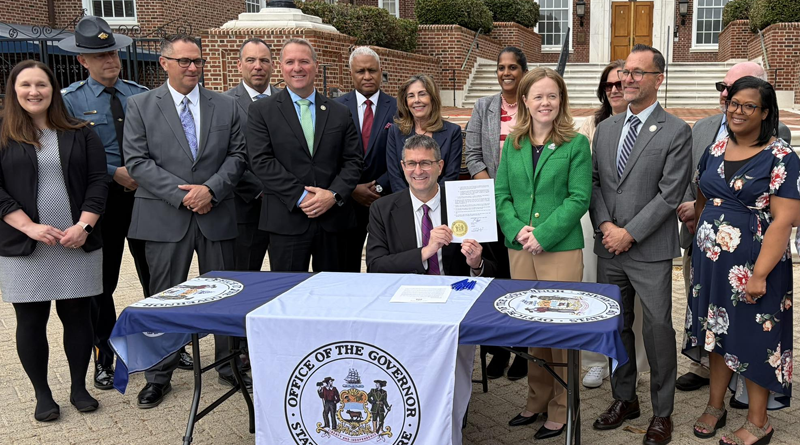
Delaware officials have responded by forming an advisory task force and challenging federal data requests in court. On Wednesday, Governor Matt Meyer, sign of an executive order creating a task force, established under Executive Order 19. Task force was put in place review election security practices and recommend improvements, but it does not change how elections are administered according officials.
The executive order establishes the Delaware Task Force as a formal advisory body charged with reviewing the state’s current election security framework. The group is directed to assess systems, infrastructure, and operational preparedness while identifying vulnerabilities and emerging risks. It is also tasked with recommending improvements to strengthen resilience against threats such as cyber incidents, disinformation, and interference with voters.
The order outlines a broad membership that includes leadership from state agencies, law enforcement, and representatives from federal partners. Among those participating are the Secretary of State, the Department of Safety and Homeland Security, the Commissioner of Elections, the Delaware State Police, and representatives from federal entities including the Federal Bureau of Investigation and the Department of Homeland Security. Legislative representatives are also included.
The task force is required to meet regularly and produce a series of reports tied to upcoming elections. These include recommendations ahead of the statewide primary, follow-up findings shortly after, and a comprehensive report after the general election evaluating the effectiveness of security measures. State agencies are directed to provide support to the group, and the order specifies that its work must comply with existing laws governing privacy, public records, and election administration.
Legal disputes over voter data access and election authority remain ongoing. The outcome is expected to determine how much access federal agencies will have to state election records and how responsibilities are divided between state and federal governments.